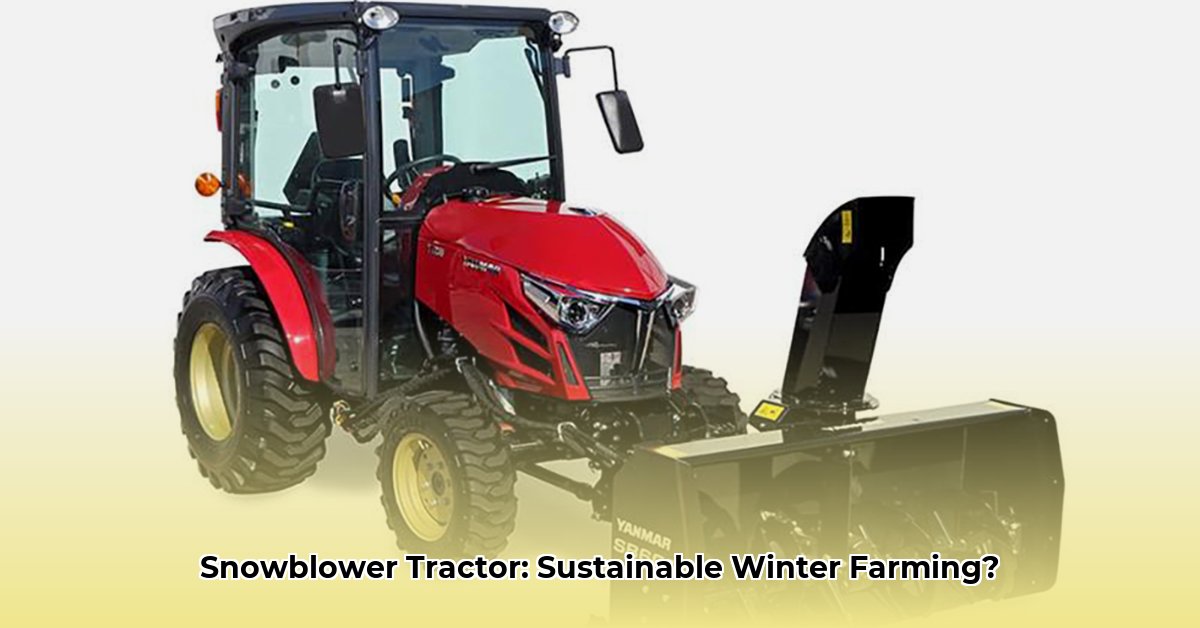
Winter's arrival often brings challenges to farm operations. But with the right planning and equipment, you can maintain efficiency and sustainability throughout the snowy season. This guide will walk you through selecting and using snow removal attachments for your tractor, minimizing environmental impact, and maximizing cost-effectiveness. For more detailed specifications, check out this helpful tractor snow plow resource.
Assessing Your Snow Removal Needs
Before investing in snow removal equipment, assess your farm's specific needs. Consider these factors:
- Farm Size and Layout: A small orchard requires different equipment than a large dairy farm. Consider driveway lengths, barn accessibility, and field sizes.
- Typical Snowfall: How much snow do you typically receive each year? Is it light and fluffy, or heavy and wet? This dictates the power of the equipment needed. Heavier, wetter snow requires more powerful equipment.
- Budget: Determine how much you can realistically spend on initial investment, maintenance, and fuel. Factor in potential long-term savings from more efficient equipment.
- Terrain: Steep hills or uneven terrain may necessitate specific attachment types.
Decision Tree:
- Heavy, frequent snowfall? Yes → Two-stage snowblower. No → Proceed to 2.
- Large farm area? Yes → Single-stage snowblower or snow pusher (depending on snow type). No → Proceed to 3.
- Mostly light snow? Yes → Snow pusher or snow blade. No → Consider a single-stage snow blower.
Types of Snow Removal Attachments
Several tractor attachments are available, each suited for different conditions:
1. Two-Stage Snow Blowers: These powerful machines excel in heavy, wet snow. They're ideal for large farms experiencing significant snowfall. But they are typically more expensive and consume more fuel.
2. Single-Stage Snow Blowers: Suited for lighter snowfalls and smaller areas. These are generally less expensive and more fuel-efficient than two-stage blowers.
3. Snow Pushers: Simple and cost-effective for light, powdery snow. They push snow aside, rather than throwing it. They're not suitable for heavy or deep snow.
4. Snow Blades: Versatile for clearing wide areas like driveways and large, open spaces. They require more operator skill and aren't ideal for deep snow.
Sustainable Snow Removal Practices
Sustainable snow removal minimizes environmental impact and maximizes equipment lifespan.
1. Regular Maintenance: Preventative maintenance is key. Regular oil changes, belt checks, and blade sharpening extend equipment life and prevent costly repairs. A well-maintained machine is a more efficient machine.
2. Fuel Efficiency: Choose an attachment that matches your needs. Overworking a smaller attachment wastes fuel and increases wear and tear. Proper operating techniques, such as avoiding unnecessary idling, also improve fuel economy.
3. Alternative Fuels (Future Considerations): Research into alternative fuels for farm equipment is ongoing. Biodiesel or propane alternatives may become increasingly viable options in the future, reducing reliance on fossil fuels. However, current compatibility with existing snowblower attachments needs to be verified.
Cost-Benefit Analysis
Consider the total cost of ownership for each attachment:
- Initial Investment: The upfront cost of the attachment.
- Operating Costs: Fuel consumption and labor costs.
- Maintenance Costs: Regular maintenance and repair expenses.
- Lifespan: The expected lifespan of the attachment.
Compare the total cost over the equipment's lifespan to determine the most cost-effective option. A higher initial investment in a longer-lasting, more fuel-efficient model might prove less expensive in the long run.
Implementation and Maintenance: A Step-by-Step Guide
1. Pre-Season Preparation: Inspect your equipment thoroughly and replace any worn parts. Ensure all fluids are at the correct levels. This proactive approach will prevent costly downtime during the winter months.
2. Safe Operation: Always operate the equipment cautiously, adhering to manufacturer guidelines. Wear appropriate clothing, be aware of your surroundings, and never operate the equipment in hazardous conditions.
3. Regular Maintenance Schedule: Develop and adhere to a strict maintenance schedule. Regular checks (e.g., weekly) will ensure peak efficiency and reduce the risk of breakdowns.
4. Troubleshooting: Familiarize yourself with common problems and how to address them. Quick identification and resolution of minor issues can prevent them from escalating into major repairs.
5. Post-Season Storage: Clean and store the equipment properly at the end of the season. This extends its lifespan and ensures it's ready for the next winter.
Resources and Further Information
- Your Equipment Dealer: A valuable resource for advice, maintenance, and repairs.
- Agricultural Extension Services: Many universities and government agencies offer resources and assistance on sustainable farm practices.
- Manufacturer Websites: Consult your equipment manufacturer's website for manuals and troubleshooting guides.
By carefully considering your needs, selecting appropriate equipment, and implementing sustainable practices, you can efficiently and responsibly manage snow removal on your farm while minimizing environmental impact and maximizing cost-effectiveness.